Loading…
ChapterBrief · Reviews
Solo Leveling Ragnarok Review: Is It Cancelled? (7.5/10)
Solo Leveling Ragnarok review: 7.5/10. Sung Suho inherits his father's shadows in this sequel. On hiatus (not cancelled), resuming at REDICE. 69+ chapters.
9 min readBy Léo Fontaine
Reviewing
Solo Leveling: Ragnarok
Chugong (original novel), art by REDICE Studio · Tappytoon / Tapas
7.5
Score
7.5/ 10
TappytoonTapas
Pros
- REDICE Studio art keeps the franchise's visual standard high; shadow summons and gate fights have the same weight that made the original a phenomenon
- Sung Suho is a deliberately different lead from his father: more reluctant, more human, which gives the sequel a reason to exist beyond brand recognition
- The Itarim threat (gods filling the void left by the Absolute Being) is a logical escalation of the original's endgame rather than a reset
- Beru as Suho's mentor figure is a genuinely good idea, mining comedy and pathos from the original's most beloved shadow
Cons
- The opening retreads the weak-protagonist-grows-strong arc the original already perfected, so early chapters feel like a remix
- It lives in the shadow of the most popular manhwa of its era, and the comparison is rarely flattering in the early going
- The January 2026 hiatus (illustrator military service) leaves the series in limbo mid-story, with a new artist transition still settling
Verdict
A competent, well-drawn sequel that has not yet escaped the original's shadow. Worth reading for franchise fans; not the phenomenon its predecessor was.
Solo Leveling Ragnarok review, and the first thing to clear up because it is the thing everyone is searching: no, it is not cancelled. The series is on hiatus, which is a different and much less alarming situation. I will get to the details, because the confusion is understandable, but start from there. Ragnarok is alive.
Rating: 7.5/10
TL;DR: Solo Leveling: Ragnarok is the sanctioned sequel to Solo Leveling, following Sung Jin-Woo's son Suho, art by REDICE Studio, on Tappytoon and Tapas. It is on hiatus (not cancelled) since January 2026 due to the illustrator's military service, resuming with a new artist. 69+ chapters so far. It is competent and well-drawn, but the early arc retreads the original's underdog story and lives in a very long shadow. 7.5/10.
Is Solo Leveling Ragnarok cancelled? (the short answer)
No. This is the question driving most searches, so it goes first. Solo Leveling: Ragnarok paused in January 2026 because its illustrator, JIN, left for mandatory military service, an obligation that pulls Korean creators out of serialization regularly. REDICE Studio confirmed the series continues with another artist.
The signal that should settle the question: the first English print volume is scheduled for July 21, 2026. Publishers do not print volumes of cancelled series. The hiatus is real and the mid-story timing is frustrating, but the franchise is still actively investing in Ragnarok. Treat the cancellation rumors as what they are, fan anxiety filling an information vacuum.
With that cleared up, the actual review.
What Solo Leveling Ragnarok actually is
Ragnarok is the sequel to the most-read manhwa of its generation, and it knows it. The protagonist is Sung Suho, the son of Sung Jin-Woo and Cha Hae-In. Suho's parents vanished three years before the story opens, leaving him an ordinary college student in a world that has moved past the gate crisis his father resolved.
Then a monster outbreak hits his campus. Sung Jin-Woo, watching from wherever the original left him, sends Beru, the shadow ant king, to awaken his son's dormant power. Suho has to conquer the shadow dungeon and grow into the inheritance he never asked for, while a new threat gathers: the Itarim, gods of other universes moving to fill the void left by the Absolute Being.
That last part matters. Ragnarok is not a reboot or a side story. It is a direct continuation of the original's cosmology, picking up the threads the first series left dangling about what comes after a human becomes the strongest being alive. If you have not read the original Solo Leveling, start there. Ragnarok will spoil it on page one and assumes you know the shadow army by name.
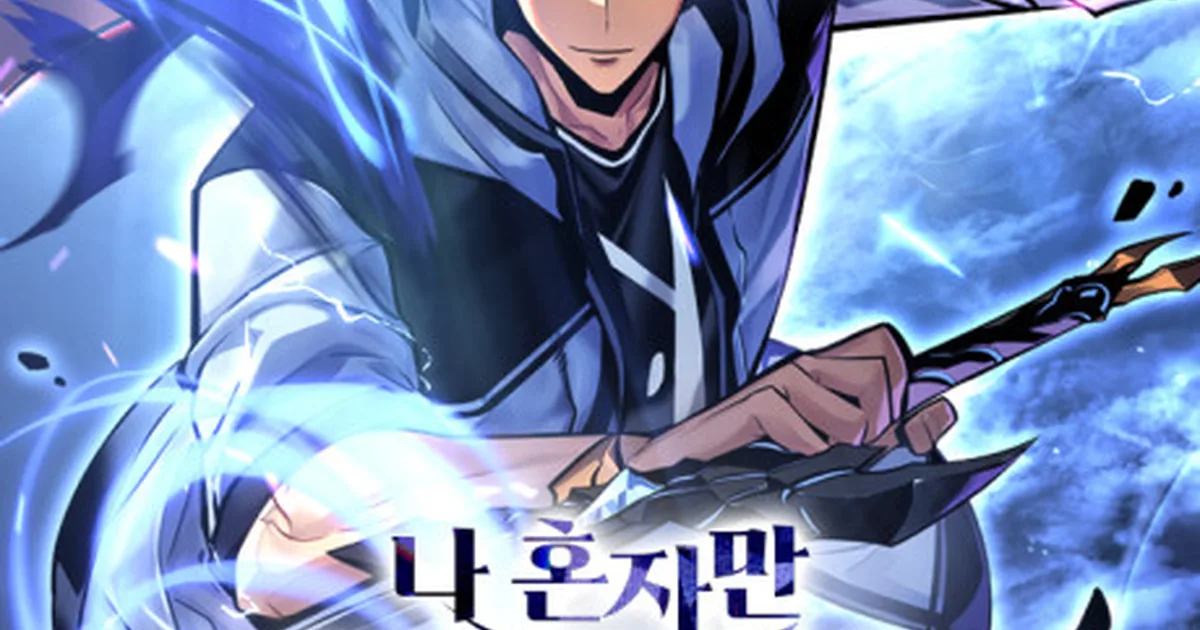
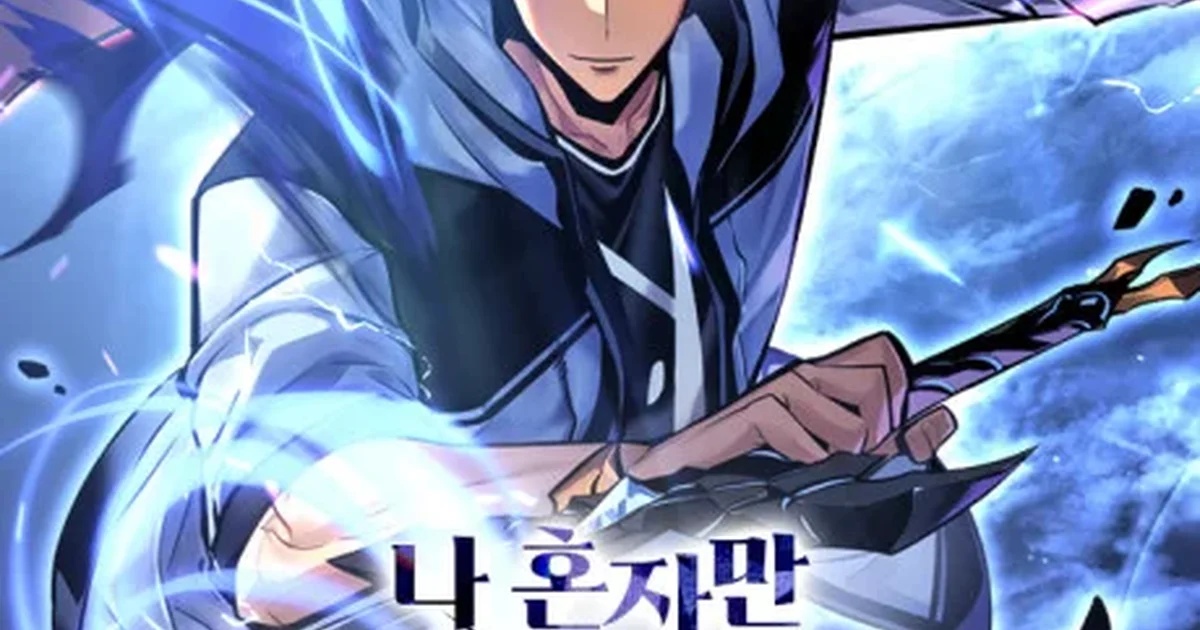
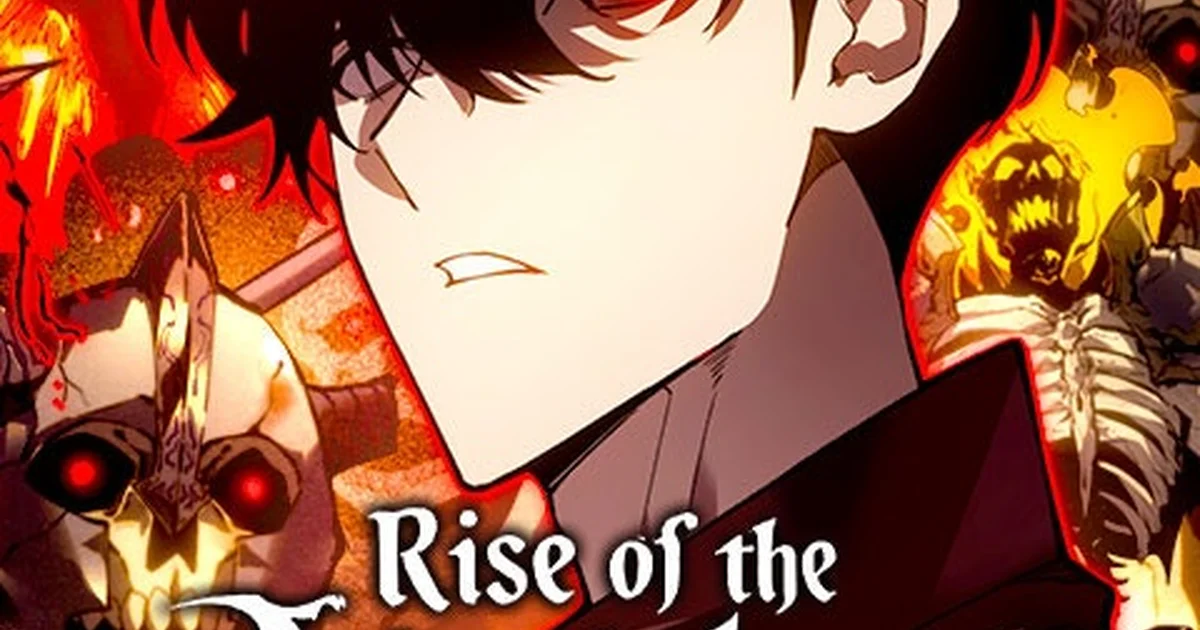
 Suho is built to look like an heir, not a copy. The cover frames him with the shadow motif he inherits rather than the cold dominance his father grew into.
The sequel's central problem
Here is the honest difficulty Ragnarok cannot fully escape. The original Solo Leveling is a near-perfect execution of a specific fantasy: the weakest hunter alive grinds, levels, and becomes a god. It is the version of that story everyone else gets compared to. Ragnarok's opening move is to introduce a new weak protagonist who has to grind and level and grow strong.
You see the problem. The early chapters are in direct competition with the single best version of the arc they are attempting, and the comparison is rarely flattering. Suho starting from zero feels like a remix of a song you have memorized. For the first stretch, the sequel's biggest obstacle is not the Itarim. It is the reader's memory of how the original did this already.
What saves it from being a pure retread is the choice to make Suho a genuinely different person. Where Jin-Woo grew cold and unstoppable, Suho is reluctant, more visibly human, less comfortable with power. That distinction is the sequel's best argument for existing. The series is more interesting the further it gets from the inherited setup and the more it lets Suho be his own character rather than his father's echo.
Art and the Beru factor
The art is the easiest thing to praise. REDICE Studio keeps the franchise's visual standard intact: the shadow summons land with weight, the gate fights have the kinetic clarity that made the original a phenomenon, and the spectacle delivers. Visually, Ragnarok is unmistakably part of the same family.
The smartest creative decision is Beru. Putting the original's most beloved shadow in the mentor role next to Suho is a genuinely good idea, and the series mines both comedy and pathos out of it. Beru's loyalty to Jin-Woo refracted onto Jin-Woo's son is the kind of detail that justifies a sequel. When Ragnarok is working, it is usually because of moments like this, where it uses the original's emotional history instead of just its plot mechanics.
The hiatus complicates any verdict on the art going forward. With JIN gone and a new artist stepping in at REDICE, the visual continuity is an open question the resumed chapters will have to answer. For now, everything through the hiatus point holds the standard.
How it compares to the original
This is the comparison the whole series invites, so it is worth being direct. Solo Leveling is a 9 or a 10 depending on the reader, the high-water mark of the power-fantasy manhwa. Ragnarok, on the evidence so far, is a 7.5. It is good. It is not that.
The gap is not about craft. The art is comparable and the world is the same. The gap is about novelty and momentum. The original had the advantage of doing its thing first and doing it cleanly. Ragnarok carries the weight of expectation and the burden of following a finished masterpiece, and its early arc spends too long on ground the original already claimed. Readers building a list from the best action manhwa of 2026 should slot Ragnarok as a strong franchise extension rather than a new peak.
If you have read everything in the orbit of the original and want more, this scratches the itch. If you are looking for the next series to hit like Solo Leveling did, that lightning has not struck twice here, at least not yet.
 The original set the bar. Ragnarok shares its world and its studio, but the early arc competes directly with the cleanest version of the story it is retelling.
Solo Leveling Ragnarok review: verdict
7.5/10. Ragnarok is a competent, well-drawn, sincerely made sequel that has not yet stepped out of the original's shadow, which is a fitting problem for a story literally about inheriting a shadow army. The art is strong, Suho is a likable and deliberately distinct lead, and Beru's mentorship is a highlight. The drag is the early retread and the structural impossibility of surprising readers who have the original memorized.
The Good
- REDICE Studio art keeps the franchise's visual standard high; shadow summons and gate fights carry the same weight that made the original a phenomenon
- Sung Suho is a deliberately different lead from his father -- more reluctant, more visibly human, which gives the sequel a reason to exist beyond brand recognition
- The Itarim threat is a logical escalation of the original's cosmology rather than a premise reset
- Beru as Suho's mentor figure is a genuinely good creative choice, mining both comedy and pathos from the original's most beloved shadow
The Cons
- The opening retreads the weak-protagonist-grows-strong arc the original already perfected, so early chapters feel like a remix
- Lives in the shadow of the most-read manhwa of its era, and the comparison is rarely flattering in the early going
- The January 2026 hiatus leaves the series mid-story, with a new artist transition still settling
The hiatus is the honest asterisk. Reviewing an ongoing series paused mid-story means the verdict covers a partial work, and the artist transition adds uncertainty about what the resumed chapters will look like. None of that is cancellation, but it is a reason to know what you are getting into before you start.
For franchise fans, it is an easy recommend with managed expectations. For newcomers, read the original first; it is the better book and the required prerequisite. Ragnarok is the encore, not the main set.
Rating: 7.5 / 10
Frequently Asked Questions
Is Solo Leveling Ragnarok cancelled?
No, it is on hiatus since January 2026 (illustrator's military service), continuing with a new REDICE artist. The July 21, 2026 print volume confirms it is still active.
Is it worth reading?
Yes for franchise fans, 7.5/10. Strong art, likable new lead, but the early arc retreads the original.
What is it about?
Sung Suho, Jin-Woo's son, awakens his inherited shadow powers (with Beru's help) to face the Itarim, gods threatening Earth.
How many chapters?
69+ English chapters before the hiatus, ongoing.
Do I need to read the original first?
Yes. Ragnarok spoils the original immediately and assumes full knowledge of it.
Related Reading
- Solo Leveling review: The original and required prerequisite, the genre's high-water mark.
- Manhwa like Solo Leveling: If you want more in the same lane, ranked picks beyond the franchise.
- Solo Leveling reading guide: Arc breakdown and reading order for the original before you start the sequel.
- Best action manhwa 2026: Where Ragnarok sits in the wider action field this year.
- I'm the Max-Level Newbie review: Another REDICE Studio tower-climber, where the lead already mastered the game the tower is based on.
- Return of the Disaster-Class Hero review: REDICE OP revenge fantasy, a hero betrayed and sealed for twenty years before he returns.
References
About the author

Anime Critic & Adaptation Specialist
Anime critic and design writer who has reviewed 500+ series across 10 years. Paris-based. Has strong opinions about pacing, adaptation fidelity, and animation quality.
- 500+ anime series reviewed over 10 years
- Specialist in adaptation fidelity and animation quality critique
- Tracks major studios — MAPPA, Ufotable, Wit, CloverWorks
- 80+ hours per season logged for coverage
Disclaimer
This article is published for informational and entertainment purposes. It does not constitute professional financial, legal, or technical advice. Series availability, platform access, translation status, and chapter counts change. Verify critical details (pricing, regional availability, official translation status) with publishers and platforms. Affiliate links, where present, help support our editorial work and are labelled in our affiliate disclosure.