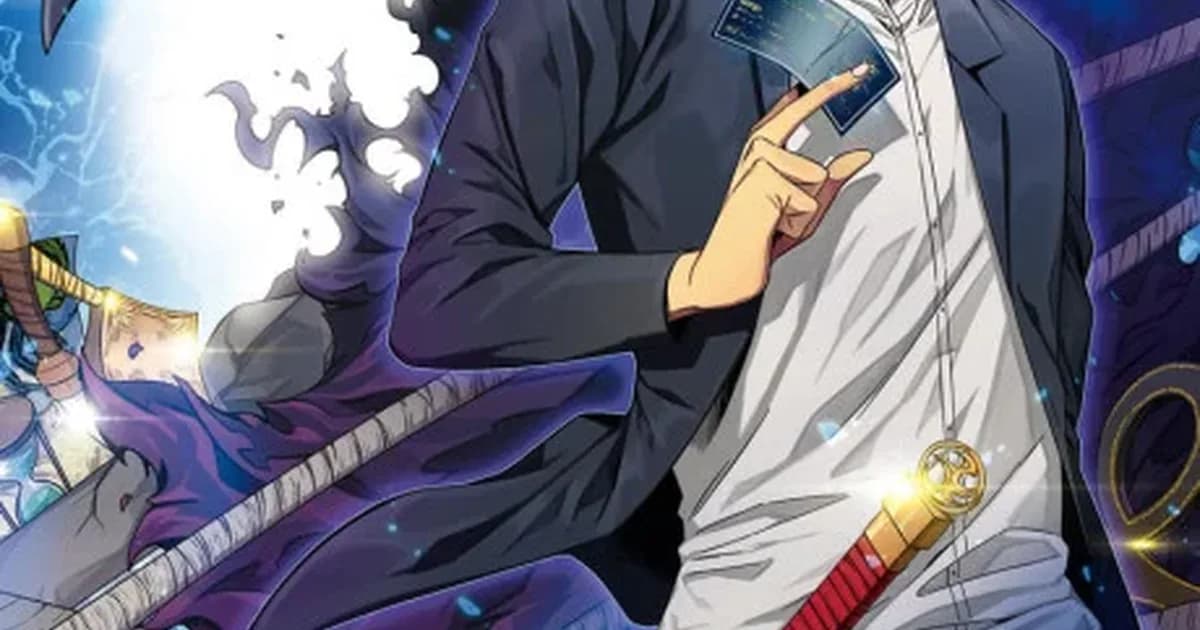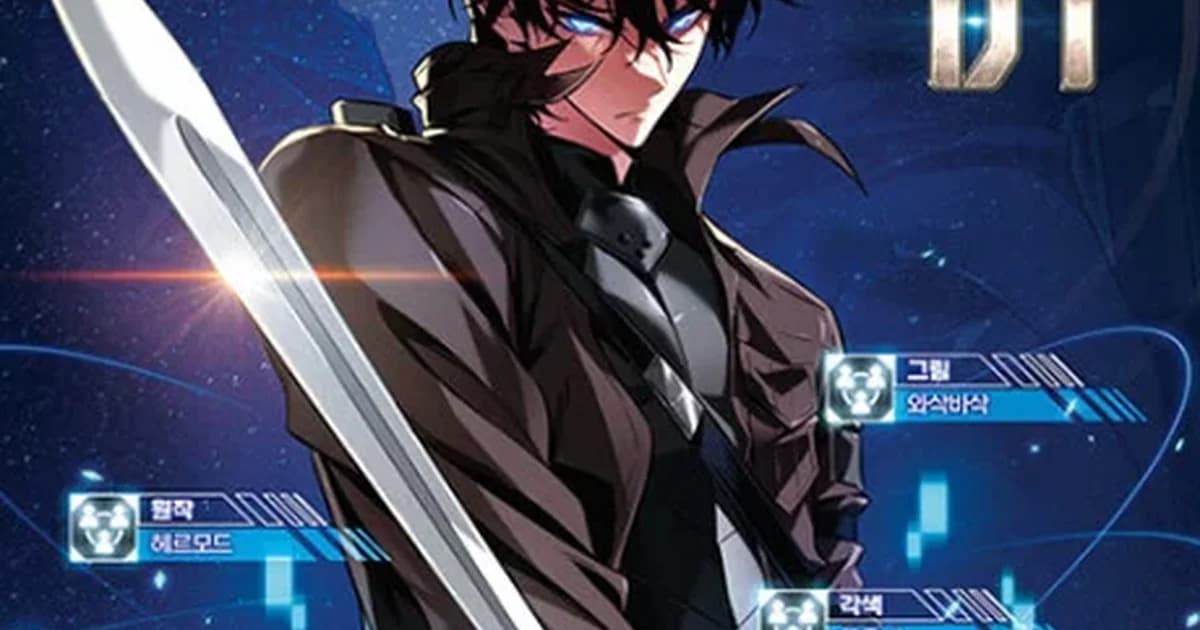

This Tomb Raider King review covers all 412 completed chapters. I read the whole thing over about two weeks, in sessions that kept going longer than I planned because the Tapas interface doesn't give you a natural stopping point. That's either a compliment to the series or a criticism of my self-control, and I'm genuinely unsure which.
TL;DR: Tomb Raider King review: 412 completed chapters, written by Yoonz with art by 3B2S, rating 7.5/10. The regression premise holds up across the full run. The relic system has real internal logic. Phase 2 drags through too many faction conflicts before the endgame lands. The 12-episode anime is now past the halfway point on Crunchyroll, with the finale confirmed for September 23, 2026; the full manhwa is worth reading alongside the broadcast if you can manage 10-14 reading sessions.
Tomb Raider King review: quick verdict
This is a 7.5 out of 10 for me. The premise is genuinely smart, the art is excellent throughout, and the antihero framing never loses its nerve. What stops it from being a 9 is the mid-series faction arc, which cycles through the same escalation structure too many times before the endgame justifies the length. Worth reading. Worth finishing. Not flawless.
Tomb Raider King anime: how the season is landing
The anime adaptation began streaming on Crunchyroll and Fuji TV July 8, 2026, animated by Studio EEK, which is why search interest in the manhwa spiked heading into that week. As of this update, episode 9 has aired (September 2), with three episodes left before the finale confirmed for September 23, 2026. Here is what matters if you are deciding whether to read first, and how the season has landed with critics and fans so far.
The premiere reception was rough, not just split. But Why Tho's episode 1 review scored it 4/10, calling the protagonist "very unlikable" in the opener and arguing the setup felt like it was chasing the latest isekai/regression trend rather than establishing its own identity. Episode 2 didn't recover much ground with the same outlet: the follow-up review criticized the episode for lacking tension, arguing that Joo-Heon's foreknowledge, he already knows the tomb's tricks and how to summon its relic before he sets foot inside, drains the confrontation of stakes rather than building suspense from it. YouTube first-reaction videos stayed warmer than those critical reviews, several framing episode 1 as "didn't disappoint," and longtime manhwa readers have been telling anime-only viewers in comment threads to stick around, arguing the charismatic, trickster side of Joo-Heon that made the source material popular hadn't fully surfaced yet in those opening episodes. That gap, harsh critical read on the premiere versus more patient fan reaction, is worth knowing before you commit: this was not a unanimously loved start, and the manhwa's own strengths (the relic system, the tactical use of foreknowledge) take more than two episodes to show up on screen.
Season 1 covers Phase 1 of the manhwa, the strongest stretch of the source material. The confirmed 12-episode run puts the anime in the chapter 60-80 range by the September 23 finale: Joo-Heon's regression, the early relic acquisitions, and the first organizational conflicts, ending before the faction-war material where the manhwa's pacing problems start. That means the anime's first season adapts the manhwa at its best, even if the opening episodes didn't fully land for critics.
Reading ahead of or alongside the season: the first 80 chapters take 2-3 sessions at a normal binge pace. Regression stories survive foreknowledge better than almost any other genre, since the protagonist himself already knows what happens next, though it's exactly that foreknowledge the episode 2 review flagged as undercutting on-screen tension. Reading the manhwa alongside the broadcast mirrors how the series itself works. If you only have time for one approach, watch Season 1 first and read from wherever it ends; the full 412 chapters will still be there.
One caution for new viewers coming in cold: the anime title collides with the Lara Croft franchise in search results. This series has no connection to it. The source is a completed 412-chapter Korean manhwa about relic-hunting regression, reviewed in full below.
How the regression mechanic works
Advertisement
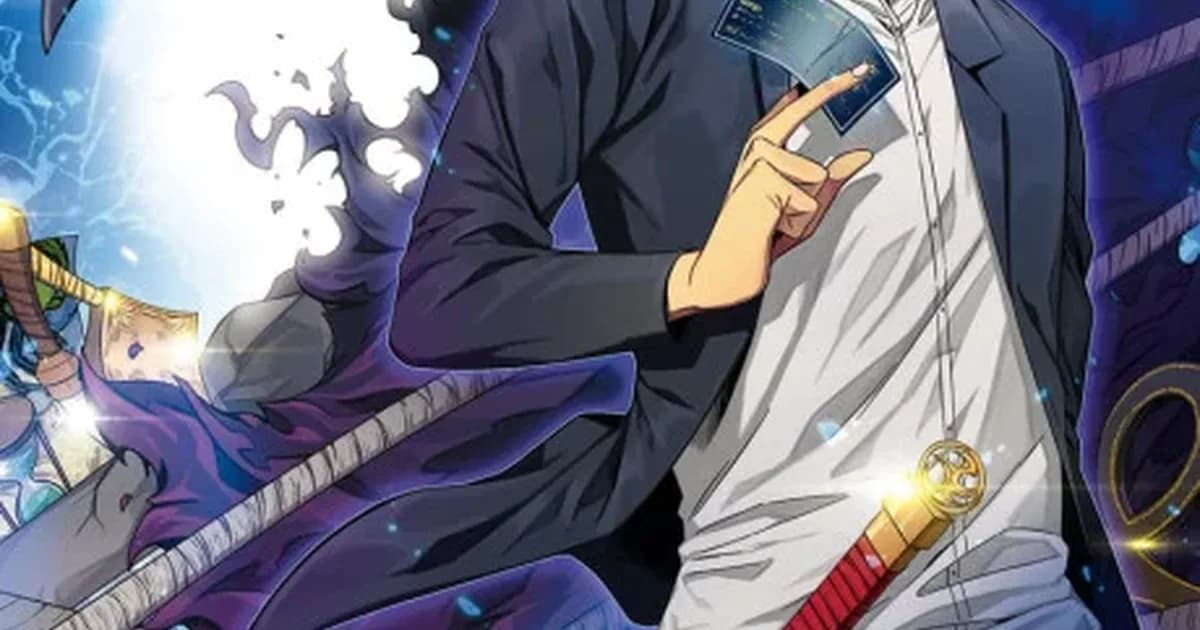
The setup is efficient. Jooheon Kwon ranks among the top relic hunters alive in a world where dungeons called God's Tombs have appeared worldwide, each containing artifacts with supernatural abilities. His colleague betrays him, steals the most powerful relic he's ever found, and Joo-Heon dies. He wakes up 15 years in the past, the day before the first tomb appeared, with complete memory of everything that follows.
What the series does well, especially in the early chapters, is treat that foreknowledge as a resource with actual limits. Joo-Heon can't just sprint to every powerful relic and claim it instantly. He has to work through the system he already knows, time his acquisitions correctly, and manage other hunters who'll become suspicious if a newcomer keeps showing up first at every significant tomb. The information asymmetry is real, but executing on it still requires work.
I appreciated that the series spends actual time on this in Phase 1. A lot of regression manhwa establish the premise in three chapters and then just have the protagonist win forever. Tomb Raider King makes Joo-Heon earn his advantages specifically enough that you believe the edge is real rather than narrative convenience.
He's also not trying to be a hero. He's running a revenge scheme. The relics are the method, not the point. The series doesn't apologize for this and doesn't slowly convert him into someone who cares about saving the world. That consistency is rarer than it should be in this genre, and I found it refreshing all the way through the final chapters.
The relic system
This is where I'd argue Tomb Raider King earns its reputation. The relic system isn't just "artifacts give powers." It has stacking rules, conflict mechanics between relics, awakening conditions that require specific circumstances, and tier distinctions between what an individual collector can carry versus what requires organizational support. Joo-Heon's advantage isn't just knowing which tombs appear first; it's knowing which relic combinations produce effects others don't understand yet.
The series introduces the system in the early chapters and then spends 400 chapters assuming you remember it. I'd recommend paying actual attention to the relic rules early, because the later arcs use them in ways that land harder if you followed the logic from the start.
For context on how the system develops across all three phases of the story, the Tomb Raider King reading guide breaks down exactly which mechanics appear in each phase and how they build on each other.
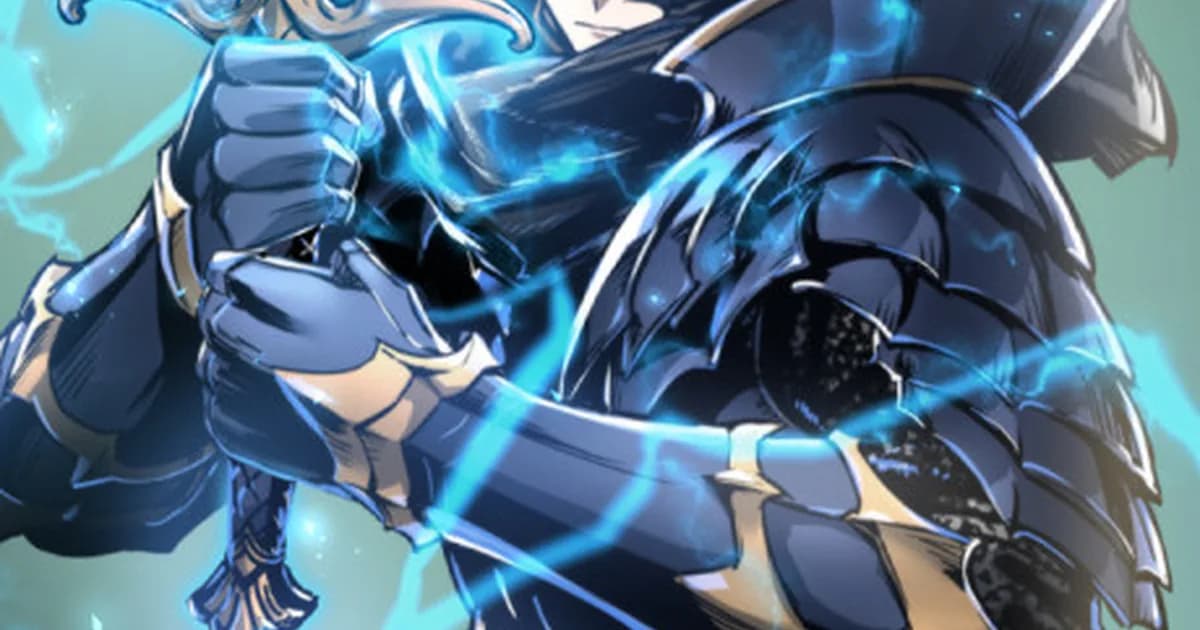
The visual design from 3B2S supports the system well. Relics have distinct looks. Dungeon spaces feel like actual locations. Fight choreography is clean enough that you can follow what's happening mechanically, which matters when the outcome depends on which relic Joo-Heon is deploying. The art quality is consistent across the full 412-chapter run, which isn't guaranteed in a series this long.
Full arc breakdown with chapter counts for each phase and what the anime will cover:
Tomb Raider King Reading Guide →
Pacing and the anime question
I'll be honest about Phase 2: it's where I started reading in longer sessions to push through rather than because I couldn't stop. The faction conflict arc repeats a structure too many times. Joo-Heon's information advantage brings him into conflict with a larger organization. He outmaneuvers them. A larger organization appears. Repeat. The escalation of scale doesn't produce equivalent escalation in stakes or tension, because we've seen Joo-Heon succeed at this specific problem enough times that a bigger organization doesn't feel like a genuine threat.
The ensemble characters don't help. The allies Joo-Heon picks up early are there for the full run but never develop the same interior logic as the protagonist. They're competent and loyal and largely defined by those two traits. After 412 chapters I still didn't feel strongly about most of them as characters. That's a limitation.
Phase 3 corrects most of this. The endgame confrontation with the original betrayer is the throughline the series was working toward from Chapter 1, and arriving there with 400 chapters of established context does give the finale weight. Some readers find it compressed; I found it appropriately tight for a series that had been building for so long. The ending exists and resolves the central conflict. In a genre full of incomplete runs and open-ended continuations, that matters.
On the anime: the Crunchyroll release covers Phase 1, and reception through the premiere was harsher from critics (But Why Tho gave both episode 1 and episode 2 low marks) than from fan reaction videos. The confirmed 12-episode season, running through a September 23 finale, lands around chapters 60-80. If you're deciding whether to read alongside the weekly episodes, my answer is: read the first 80 chapters minimum. It's a different experience to watch the adaptation when you know what Joo-Heon knows, and not in a way that ruins anything. Regression stories are built for that kind of audience foreknowledge.
Six series that scratch the same itch if you finish TRK and want more:
Manhwa Like Tomb Raider King →
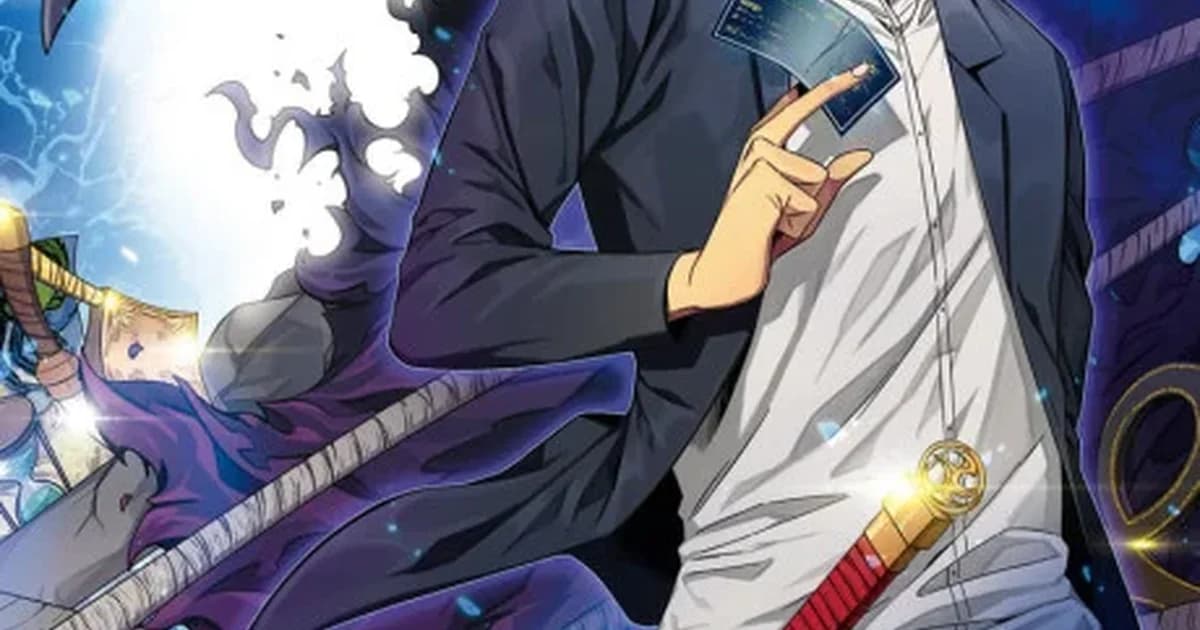
Tomb Raider King art and visual design
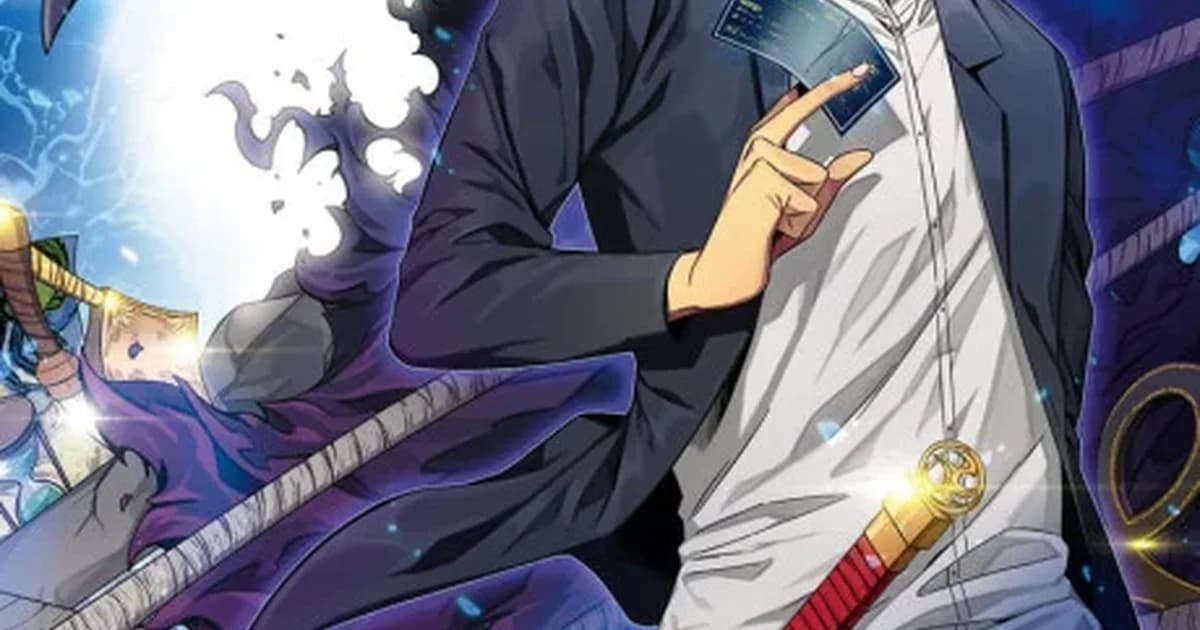
3B2S handles the art across all 412 chapters, and consistency is the first thing to note: the visual quality doesn't slide in phase 2 the way pacing does. Relic activation effects are distinctive, each major relic has a visual signature that the art maintains across the run, which matters because the relic system asks readers to track which artifacts Joo-Heon is deploying in any given confrontation.
The dungeon spaces feel like actual locations rather than arena substitutes. Interior tomb architecture varies between chapters in ways that make individual raids feel different from each other. The color work in the digital edition emphasizes the supernatural elements without washing out the character expressions, which have to carry a lot of the emotional weight given how internally driven the protagonist is.
Fight choreography is readable throughout, which is harder to sustain than it looks across a 400-chapter run. Later chapters with multiple relics in play simultaneously stay followable. That's a real strength for a series whose power system asks readers to think mechanically about the outcome.
Verdict: who should read Tomb Raider King
Advertisement
The Good
- Regression mechanic with actual limits, Joo-Heon can't just sprint to every relic; he has to execute on his foreknowledge correctly
- Relic system has internal logic (stacking rules, conflict mechanics, awakening conditions) that the series builds on for the full 412 chapters
- Antihero framing stays consistent, the series never converts him into a hero and doesn't apologize for this
- Art by 3B2S is excellent and consistent across the full run; relic fight choreography is readable
- Has a real ending that resolves the central revenge conflict, rare in the genre
The Cons
- Phase 2 faction arc repeats the same escalation structure too many times (bigger organization appears, Joo-Heon outmaneuvers them, repeat)
- Supporting cast gets 400 chapters but still feels thin; allies are competent and loyal and largely defined by those two traits
- Endgame feels compressed compared to the buildup, though it resolves cleanly
Read it if you liked the premise of Solo Leveling but wanted more strategy and less pure power scaling. The solo leveling review covers that series in detail; they're not identical but they share an audience, and the relic-system approach gives Tomb Raider King a distinct identity within the genre. Both had 3B2S art involvement, and you can feel the visual family resemblance.
Read it if you want a completed antihero regression manhwa that doesn't fumble the ending. The 412-chapter run is substantial but the series earned it mostly. The mid-section friction is real and worth knowing about, but it doesn't undo the stronger phases.
Skip it if you need ensemble depth. If the supporting cast matters as much to you as the protagonist, this series will frustrate you before chapter 100.
Read the chronicles of heavenly demon review for comparison if you want a martial arts series with stronger ensemble development and a similar completed-run structure. Different genre, different feel, but it addresses the things Tomb Raider King doesn't.
For readers who want the full genre map before committing: best regression manhwa 2026 covers where TRK sits relative to the rest of the completed field. Tomb Raider King is near the top of the regression subgenre specifically. It's earned that position.
Rating: 7.5/10
Frequently Asked Questions
Is Tomb Raider King worth reading?
Yes, if you enjoy regression manhwa and dungeon-action power fantasy. The relic system is genuinely well-constructed, and the antihero protagonist stays interesting across the full 412 chapters. The mid-section drags during faction conflicts, but the series has a real ending and the overall arc holds together.
Is Tomb Raider King worth the time investment?
Yes, with a caveat. The relic system keeps escalating in ways that justify sticking with a long series, but the mid-run faction arcs repeat the same beat enough times that the payoff feels stretched. For the exact chapter-by-chapter pace and session breakdown, see the Tomb Raider King reading guide.
Is Tomb Raider King better than Solo Leveling?
They're doing different things. Solo Leveling has better art and a cleaner power-progression arc with fewer chapters. Tomb Raider King has a more tactical premise: the regression means Joo-Heon wins through strategy and foreknowledge rather than raw power scaling. Which is better depends on what you want from the genre.
Does Tomb Raider King have a good ending?
It has a real ending, which already puts it ahead of a lot of completed manhwa. The finale resolves the central conflict with the colleague who originally killed Joo-Heon. Some readers find it satisfying; others find it compressed relative to the buildup. Arriving at an actual conclusion at chapter 412 counts for something. Kakao Entertainment launched a direct sequel, Tomb Raider King: End Line, in July 2026, but that's a separate continuation story, not a revision of the original ending.
Should I read Tomb Raider King before the anime?
Reading the first 80 chapters alongside the weekly anime is a good approach. That covers what the first season will likely reach. Reading the full 412 before the anime catches up is optional: knowing the outcome doesn't undermine a regression series the way it would a mystery.
Who is Jooheon Kwon in Tomb Raider King?
Jooheon Kwon is the protagonist. A top relic hunter who was betrayed and killed by a colleague, he's sent back 15 years with complete memory of the relic ecosystem. He uses that foreknowledge to acquire artifacts others can't access yet.
Where can I read Tomb Raider King in English?
Tapas is the primary English digital source. The full 412-chapter run is available there using the coin system. Physical volumes are licensed through Yen Press in North America. Tapas is the more practical option for reading the full run: physical volumes work better for collecting specific story arcs.
For the full cast rundown, see our Tomb Raider King Character Guide: Full Cast Breakdown.
For a breakdown of what the anime adapts versus the full manhwa, see Tomb Raider King Manhwa vs Anime: 12 Episodes, 412 Chapters.
Related Reading
- Tomb Raider King Reading Guide: complete arc breakdown with chapter counts for all three phases, what the July 2026 anime will cover, and how to plan your reading before the premiere.
- Manhwa Like Tomb Raider King: six picks for readers who finished TRK and want more regression, relic-collection, or modern-world dungeon action.
- Solo Leveling Review: the closest genre comparison to Tomb Raider King, with different strengths and a tighter chapter count.
- Chronicles of Heavenly Demon Review: completed martial arts manhwa with stronger ensemble development for readers who wanted more from TRK's supporting cast.
- Best Regression Manhwa 2026: where Tomb Raider King sits in the full regression subgenre, with 10+ alternatives ranked by completion status and narrative approach.
References
- Tomb Raider King on Tapas: full 412-chapter run available
- Tomb Raider King on Webtoon: official English release, launched 2025
- Tomb Raider King on Yen Press: print English license in North America
- Tomb Raider King anime announcement: July 2026 premiere confirmed on Fuji TV, Japan