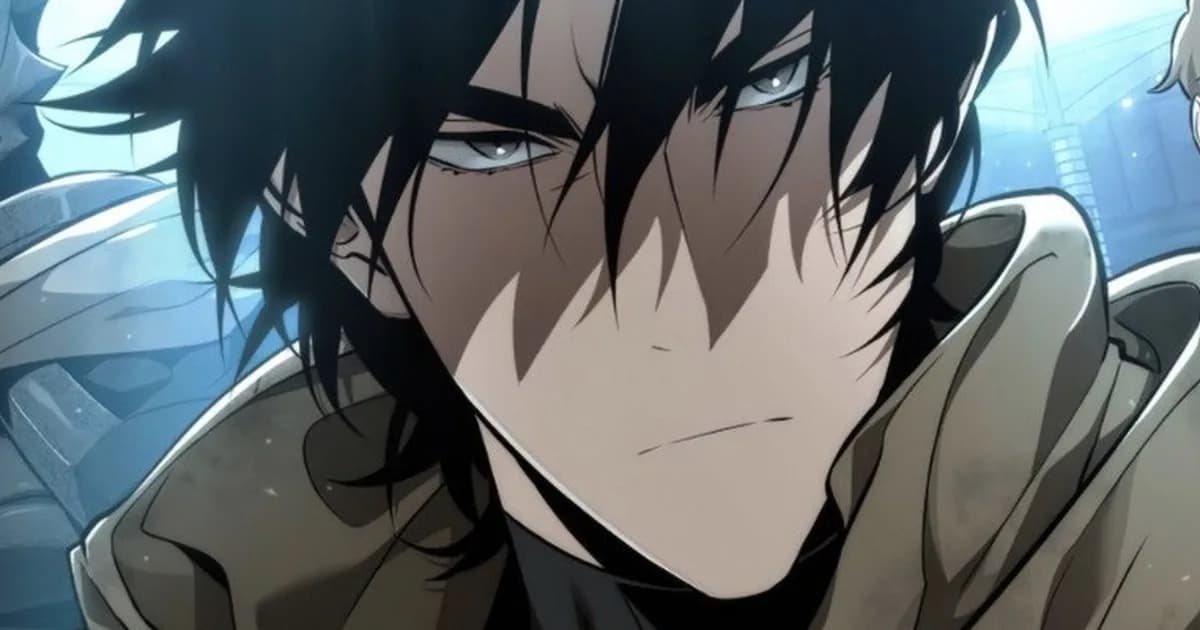
The World After the Fall review: the premise is the inversion. Every other tower manhwa asks what happens when a powerful fighter goes back to the beginning. This one asks what happens when everyone else goes back and one person doesn't.
TL;DR: The World After the Fall review: 8.0/10. Everyone regressed. Jae-Hwan stayed. The post-fall world he inherits is ruined, vast, and unlike anything the rest of the genre occupies. WEBTOON manhwa ongoing since 2022. Dark atmosphere, philosophical depth, patient pacing. Eondedeu Gamja's art earns the tone. Best for readers who want tower fantasy that asks harder questions.
Jae-Hwan is a Tower Walker in a world where towers appeared and monsters followed. When fighters reach the brink of death, they can use a regression stone: return to the past, a separate timeline, a second chance. Almost every Tower Walker takes it. Jae-Hwan doesn't. He stays.
Rating: 8.0/10
The World After the Fall review: key takeaways
- Rating: 8.0/10; AniList popularity 41,532, mean score 77/100
- Inverted regression premise: Jae-Hwan refuses the regression stone, stays in the ruined post-fall world
- Original novel by Singsyong; manhwa story by S-Cynan; art by Eondedeu Gamja
- Available on WEBTOON English (free); Korean original on Naver Webtoon; Yen Press print
- Ongoing since 2022, no completion date
- Philosophical layer: Readers (higher beings observing the Tower as story) become central to later arcs
What The World After the Fall actually is
Towers appeared. Nobody knows where they came from or why. Inside them, monsters live that shouldn't exist. Humanity responded by producing Tower Walkers: people who can enter the towers, gain special abilities from fighting inside them, and push back.
The towers have a feature the monsters don't advertise: at the moment of death, a regression stone can send a Tower Walker back in time. Not the same timeline. A branch. The original timeline continues without them, now also without its fighters. Almost everyone takes the stone. The towers fill with the absent futures of all the people who chose to run.
Jae-Hwan is not ideologically opposed to regression. He simply doesn't trust a solution that abandons the world he's in. When the stone offers him the way out, he refuses it. He fights to the top. He reaches the end of the tower. He finds what's actually there.
What he finds is the review's most interesting element, and the reason the series diverges structurally from everything else in the genre.
For the completed tower series that handles regression through a mirror mechanic rather than inversion:
SSS-Class Revival Hunter Review
The post-fall world
Advertisement
The world Jae-Hwan stays in after everyone else leaves is depleted. Towers have fallen, as the title suggests. The human infrastructure that existed before is largely gone. Monsters still exist. So do the remnants of people who didn't use regression stones: those who couldn't, those who didn't reach the threshold, those who chose Jae-Hwan's path for reasons of their own.
This setting has no equivalent in the genre. Most regression manhwa begin with a crowded world that the protagonist will reshape through foreknowledge. The World After the Fall begins in the aftermath: a world where the reshaping already happened, everyone left, and one person stayed to deal with what remained.
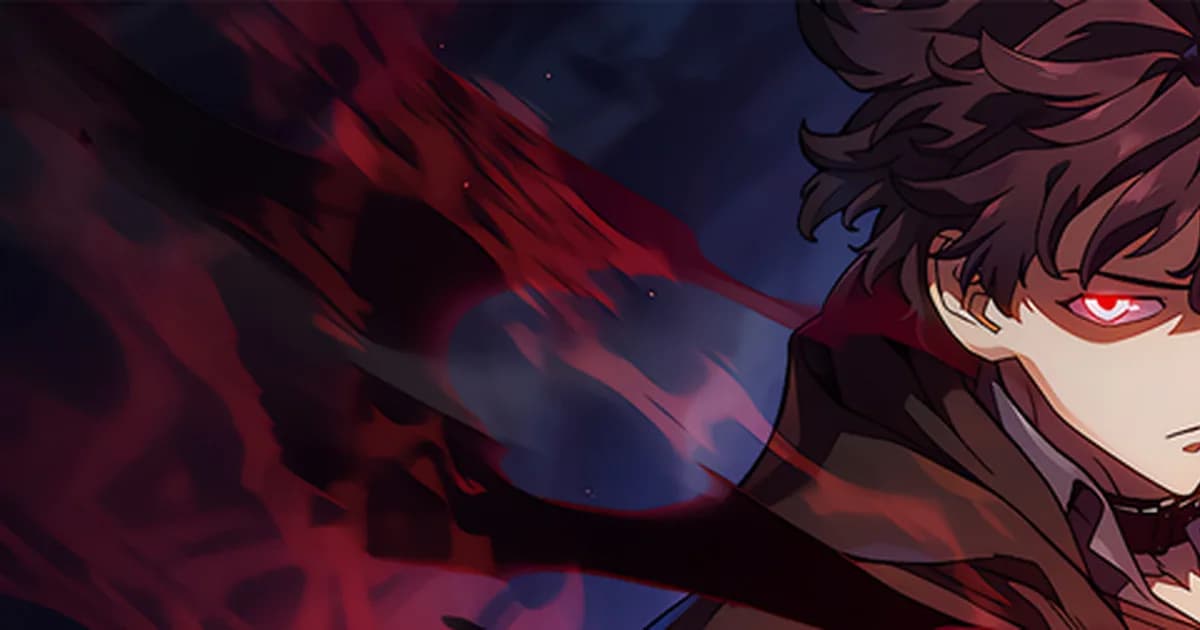
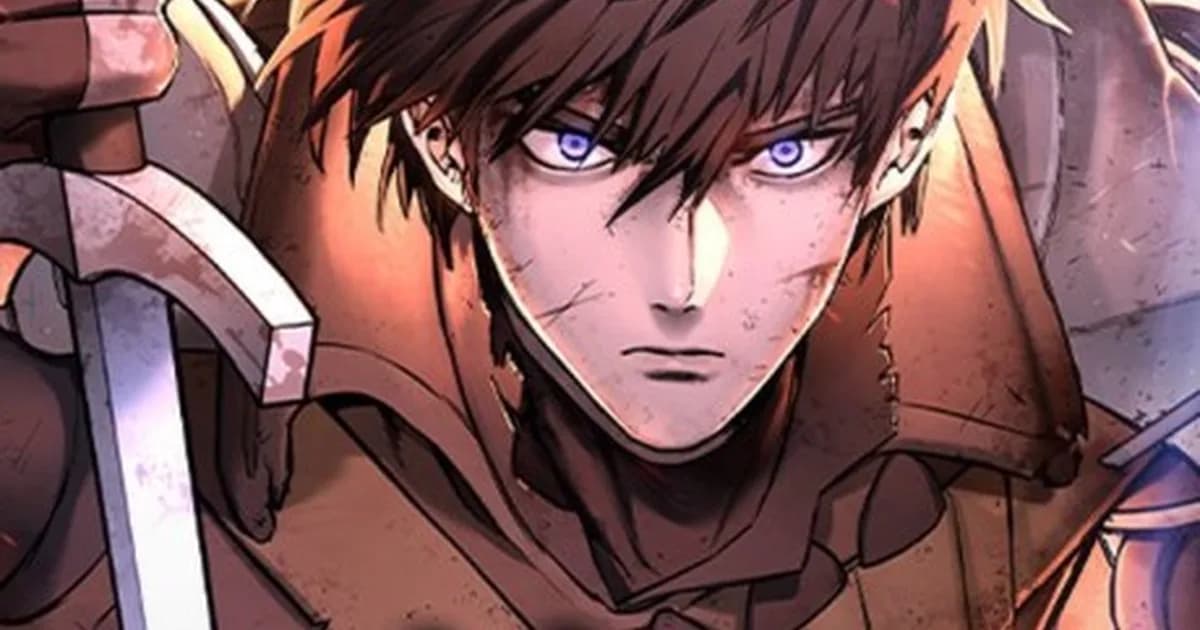
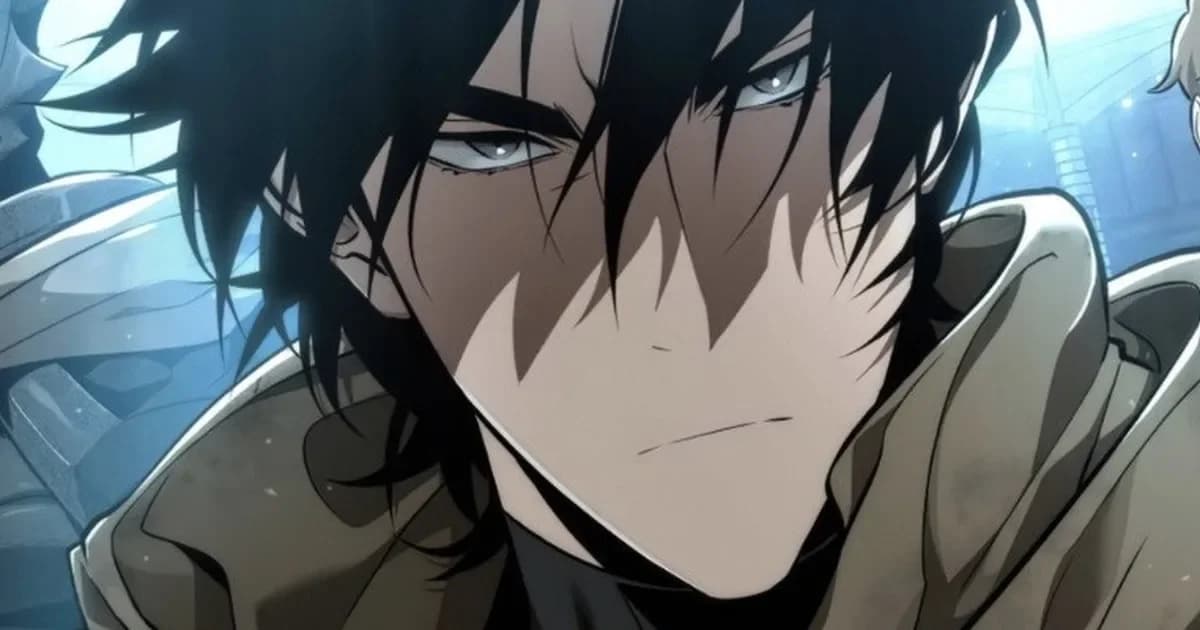
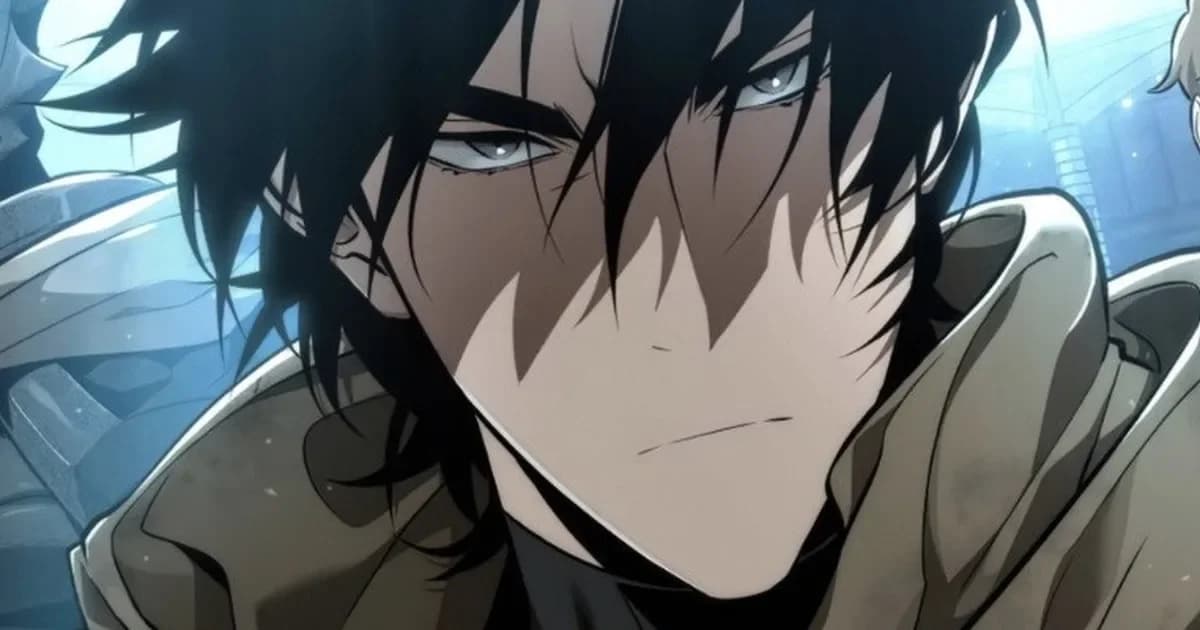
The atmosphere matches this. Eondedeu Gamja's art skews dark and atmospheric in a way that feels earned rather than decorative. The post-fall world looks depleted. Jae-Hwan moving through it alone reads as genuinely isolated rather than dramatically isolated. The art direction is doing work that the narrative needs it to do.
Jae-Hwan as protagonist
The series is careful about what kind of stubborn Jae-Hwan is. He's not stubborn because he believes he can win everything. He's stubborn because his specific psychological makeup cannot generate the action of walking away from a fight while he's still alive.
This distinction matters. A protagonist who can't lose interest is different from a protagonist who always believes he'll win. Jae-Hwan loses. He gets badly hurt. He proceeds anyway. The proceeding is not born from optimism; it's born from something closer to personality defect.
This makes him unusual in a genre where protagonists typically have explicit goals (get stronger, take revenge, save someone). Jae-Hwan's goal is implicitly just: keep going. The series uses this to generate situations where his stubbornness produces outcomes nobody anticipated, including him.
For a completed series that uses a similarly unusual protagonist psychology in a regression context:
SSS-Class Revival Hunter Reading Guide
The Readers
Eventually the series introduces Readers: entities from a higher world who observe Jae-Hwan's timeline as a story. They have opinions about how the narrative should go. Some want to intervene. Some want it to stay on its intended course. Their existence raises questions about whether anything that happened in the tower was free choice or authored outcome.
This is where the series gets ambitious and, for some readers, demanding. The Readers concept is not a twist; it's a structural premise the later arcs build from. It asks whether the distinction between "choosing to fight" and "being written to fight" is meaningful when the outcomes are the same. Jae-Hwan's refusal to regress, recontextualized through the Readers' perspective, becomes more complicated.
Readers who want clean tower-climbing progression will find this layer increasingly abstract. Readers who find it compelling will find the series rewards careful attention. The 77/100 AniList mean score probably reflects this split: the series is asking something unusual for the genre, and that unusualness costs some of the audience.
How it compares
The natural comparisons are tower-based regression series: SSS-Class Revival Hunter (completed, loop mechanic), SSS-Class Revival Hunter (death-copy accumulation), Second Life Ranker (legacy inheritance).
The World After the Fall sits apart from all of them on the specific axis of what world the protagonist occupies. Suicide Hunter loops through a populated world. Revival Hunter climbs a living tower. Second Life Ranker inherits a dead brother's legacy. Jae-Hwan stays in the aftermath of everything that was supposed to matter, where nothing is functioning and nobody is watching.
The best manhwa ongoing in 2026 list covers the full category, but among currently releasing series, TWATF occupies the most distinct conceptual space.
The World After the Fall review: verdict
Advertisement
The Good
- Inverted regression premise is genuinely novel: Jae-Hwan refuses the stone while everyone else flees, producing a post-apocalyptic tower world no other series occupies
- Eondedeu Gamja's atmospheric art earns the dark tone; the depleted post-fall world looks as described
- The Readers concept adds philosophical weight that standard tower-climbing series don't attempt
- Jae-Hwan's stubbornness reads as a specific personality trait rather than genre obligation
The Cons
- The Readers concept becomes dense in later arcs; readers wanting clean action progression will find it increasingly abstract
- AniList mean score 77/100 reflects that the series asks patience before its full structure reveals itself
- Ongoing since 2022 with no completion date
8.0/10. The inverted regression premise is the series' strongest asset and its distinguishing feature in a crowded genre. The post-fall world is genuinely different to inhabit as a reader. Jae-Hwan is a specific kind of protagonist that the genre doesn't usually produce. Eondedeu Gamja's art matches the tone.
The deductions are for patience requirements (the full structure takes time to reveal itself) and the density of the Readers concept in later arcs, which not every reader will find proportionate to the setup.
Ongoing since 2022. WEBTOON, free. Start from the beginning. The first arc establishes the setting and Jae-Hwan's characterization before the metaphysical elements arrive. If you find the premise compelling in the first 20 chapters, the series earns what comes after.
Rating: 8.0 / 10
Frequently Asked Questions
Is it worth reading?
Yes, for readers who want tower fantasy with philosophical depth and a genuinely different setting. Jae-Hwan refusing regression while everyone else flees produces a post-apocalyptic tower world that no other manhwa in the genre currently occupies.
What is it about?
Tower Walkers can regress to the past when near death. Jae-Hwan is the only one who refuses. The series follows him in the ruined world everyone else abandoned, as he learns what the towers actually are and what the regression offered.
Where do I read it?
WEBTOON English, free. Korean: Naver Webtoon. Print: Yen Press.
How many chapters?
Ongoing since 2022. Check WEBTOON or AniList for current count.
Who made it?
Original web novel by Singsyong. Manhwa adaptation story by S-Cynan; art by Eondedeu Gamja.
What are the Readers?
Higher-world entities who observe Jae-Hwan's timeline as a story. Their involvement raises questions about whether events in the tower were ever freely chosen.
How does it compare to SSS-Class Revival Hunter?
Both are philosophically ambitious tower series with unconventional mechanics. Suicide Hunter is ongoing at 154+ chapters with a loop-and-mirror mechanic. TWATF is ongoing with an inverted-regression setting. Different tone, different structure, comparable ambition.
Related Reading
- SSS-Class Revival Hunter Review: Completed tower series with a loop mechanic and comparable philosophical ambition.
- SSS-Class Revival Hunter Review: Ongoing tower series using death-copy accumulation; different mechanic, overlapping audience.
- Second Life Ranker Review: Tower isekai with legacy-inheritance premise; more action-focused, less metaphysical.
- Best Dark Manhwa: Genre list including TWATF's atmospheric neighbors.
- Best Manhwa Ongoing 2026: For readers who want more currently releasing series to compare.
- Manhwa Like The World After the Fall: 6 Tower Picks: Top manhwa picks for fans of The World After The Fall.
- The World After the Fall Reading Guide: Arcs Explained: Chapter breakdown and reading tips for The World After the Fall: Arcs Explained.