
Omniscient Reader's Viewpoint reading guide: the novel is complete and the manhwa is catching up. Where you start depends on which you want more: a gorgeous visual adaptation or the complete story.
TL;DR: Omniscient Reader's Viewpoint reading guide: novel vs manhwa, where to start, reading order, and why the completed web novel is worth the commitment.
The core tension in any ORV reading guide is the same: the manhwa is the better entry and the novel is the only way to reach the ending. SingShong's web novel finished at 551 chapters in January 2020. The manhwa adaptation by Sleepy-C (official English on WEBTOON) currently reaches Episode 308 (June 2, 2026) and is on a season break with a "will return" notice. AniList marks the manga RELEASING. If you've been waiting to start ORV, the completed novel is ready and the manhwa has a substantial current release available now.
Omniscient Reader's Viewpoint reading guide: key takeaways
- Web novel by SingShong: 551 chapters + extras, complete since January 2020
- Manhwa adaptation by Sleepy-C, official English on WEBTOON: latest listed Episode 308 (June 2, 2026), ongoing/on hiatus with a "will return" notice, still behind the novel in story coverage; AniList's status field is RELEASING
- Genre: apocalypse fiction with system elements and a meta-fictional premise; not standard isekai. For the closest system fantasy manhwa comparison, see Solo Leveling Reading Guide →
- Start with the manhwa for visuals and early pacing; switch to the novel when you want to continue
- The novel is a substantial read; estimate 70-100+ hours for the full text
- Kim Dokja's "reader" identity is structural to the series, not just background flavor
Overview
Kim Dokja is the only person in the world who read a web novel called "Three Ways to Survive in a Ruined World" to the end. He wasn't writing reviews or posting in fan communities. He just read it, every update, alone, knowing exactly how the story ends and what it cost the people in it.
Then the events of that novel start happening in his actual Seoul.
The system announcements appear. Scenarios begin. The disasters that destroyed the in-universe world are now destroying his world. And Kim Dokja is the only person who knows what's coming, not because he has special powers, but because he read the manual.
That setup makes ORV unusual among system apocalypse series: it's fundamentally a story about what readership costs. Kim Dokja knows the plot, which means he knows who dies and when. His arc is about carrying that knowledge while pretending he doesn't have it, and what happens when the distance between reader and story collapses.
The web novel was written under the pen name SingShong: two authors collaborating throughout the series' run on Munpia, from January 2018 to January 2020.
Novel vs Manhwa: What You Get From Each
Advertisement
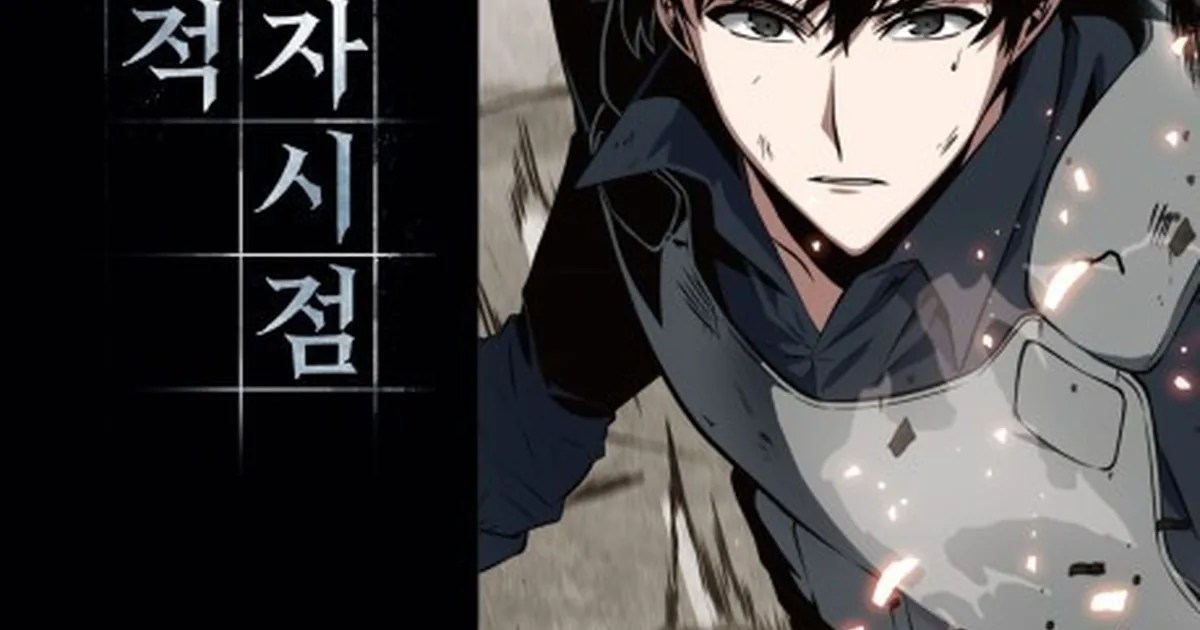
 Official cover art for the Omniscient Reader's Viewpoint manhwa by Sleepy-C on WEBTOON. Source: AniList.
 Omniscient Reader'S Viewpoint.
The web novel is the complete version. All 551 chapters plus extra episodes: the full arc, the complete cast development, the ending. For readers who want to actually finish ORV, the novel is the only path. The manhwa adaptation hasn't reached the novel's conclusion and won't for years, given the pace of serialized adaptation.
The novel is also where the internal monologue lives. Kim Dokja's perspective is first-person and deeply interior: the reader sees his reasoning, his selective honesty with other characters, and the gap between what he says and what he knows. That interiority is ORV's most distinctive quality and the text handles it differently than the manhwa can.
The manhwa translates the early scenarios into something visually exceptional. Sleepy-C's art style handles the large cast, the system UI, the constellation figures, and the action sequences in ways the prose describes but the manhwa shows. Character designs are distinct and memorable. Readers who find large casts in novel form hard to track often report the manhwa's early arcs as much easier to follow.
The manhwa also compresses and adapts some scenes. Not everything in the first arcs maps 1:1 from novel to manhwa. Some scenes are restructured; some character introductions are reordered. If you start with the manhwa and switch to the novel, you'll notice the differences but they won't confuse you. The two versions tell the same story.
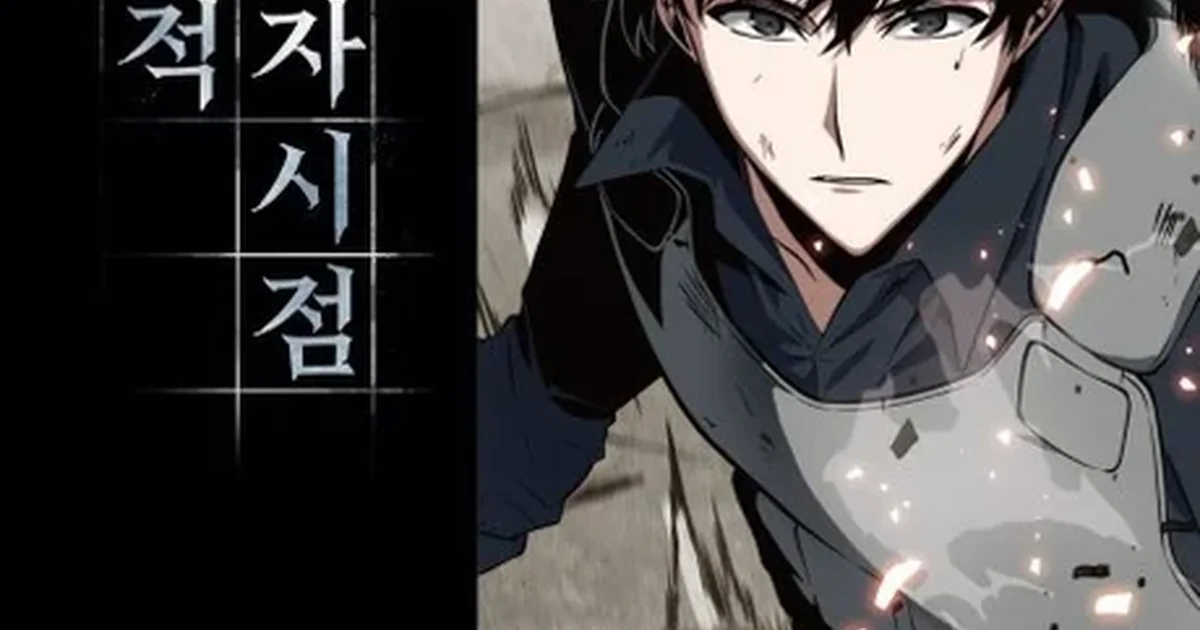
 Omniscient Reader's Viewpoint promotional banner. Source: AniList.
For the full rated verdict on what makes ORV work as a series:
Omniscient Reader's Viewpoint Review →
Where to Read
Manhwa:
- WEBTOON (official English): webtoons.com, free to read with fast pass for early episodes
- Naver (Korean): NaverWebtoon
Novel:
- Original Korean: Munpia (January 2018 to January 2020)
- English: Fan translations are hosted on reader sites discoverable through NovelUpdates. Official English licensing status should be checked at time of reading.
The manhwa is the easier access point. WEBTOON's episode format maps well to ORV's scenario structure, where each major narrative beat runs across several episodes.
Reading Order: How to Approach ORV
Start with the manhwa if you're new and want the visual grounding. It makes the large cast trackable and the system UI comprehensible in a way that raw prose doesn't do as efficiently early on. Read through Scenario 3 or 4. By then you'll know whether you want to continue in that format.
Start with the novel if you read web novels comfortably and don't want to switch formats mid-story, or if you want Kim Dokja's full internal monologue from chapter 1. The novel is denser in the early chapters but hits differently once you're inside it.
For most readers: manhwa first, novel when you want more. The two formats cover the same early events, so the jump isn't disorienting. If you've already seen a plot summary or screen adaptation, skip to the novel. The adapted versions condense the story heavily, and the depth is what the novel is actually about.
For other completed series you can read in full without waiting:
Best Completed Manhwa →
The Meta-Fiction Layer
ORV has the apocalypse structure but the actual subject is reading. Why do you follow a story that's hurting people? What do you owe characters you've watched suffer? Kim Dokja spent years reading a novel where people died horribly, found it compelling, and then found himself living inside it. The series doesn't let him off easy for having loved that story.
His knowledge isn't a clean advantage. Knowing the plot means knowing which characters die before they know it themselves. He can prepare, but preparation doesn't prevent loss. There's a particular weight to watching something happen that you knew was coming.
Kim Dokja asks versions of these questions about the in-universe novel he loved. The story answers them through what happens to him, not with a thesis, but by putting him in situations where the reader's detachment becomes impossible.
This is why ORV tends to land differently on re-reads. The early chapters have layers that are invisible on first pass. Things Kim Dokja says in chapters 1-20 have meanings you can only understand from chapter 400.
How Long Is It?
The completed web novel runs to approximately 2.3 million Korean characters across 551 main chapters, plus a series of extra episodes. For English readers working through translation, the read time varies considerably by pace.
Conservative estimate: 70 hours at a moderate reading pace. Faster readers cover it in 50-60. Readers who pause and re-read complete arcs report 100+ hours.
The manhwa, as of 2026, covers a portion of the novel's early scenarios. If you're manga-paced and read one episode per day, you're looking at years to catch up to the novel's current position.
ORV is a long commitment. Unlike ongoing series where the end is always receding, the novel has a finished ending. You know what you're getting into.
Step-by-Step
This Omniscient Reader's Viewpoint reading guide recommends the following sequence:
- Decide: manhwa or novel first. The manhwa is the visual entry; the novel is the complete story. Both start at the same narrative point.
- Manhwa on WEBTOON: Episode 1 is the clean start. Read through Scenario 4 minimum before deciding whether to continue or switch to novel.
- Novel via fan translation: Find the NovelUpdates entry for ORV and use the hosted translation links. Chapters typically average 3,000-5,000 words each.
- Avoid spoilers for the later arcs. ORV has a community that's very aware of the novel's ending. If you want to experience the reveals unspoiled, stay out of general ORV discussion spaces until you're at least through the first major arc.
- Decide whether to wait for the manhwa to return or switch now. The manhwa currently pauses at Episode 308 with WEBTOON's "will return" notice, while the web novel is already complete at 551 chapters. If you don't want to wait through the season break, switch to the novel for the full story.
For where ORV fits in the broader landscape of completed and ongoing series, Best Manhwa to Read 2026 → has the genre context including how ORV ranks against currently active series. For series that share ORV's meta-narrative layer, see Manhwa Like ORV: 8 Picks →, ranked by how closely each matches the reader-protagonist premise, not just the system fantasy genre.
Key characters to track from the start
The cast is large and the early chapters introduce people quickly. A few characters matter enormously in ways that aren't obvious on first read.
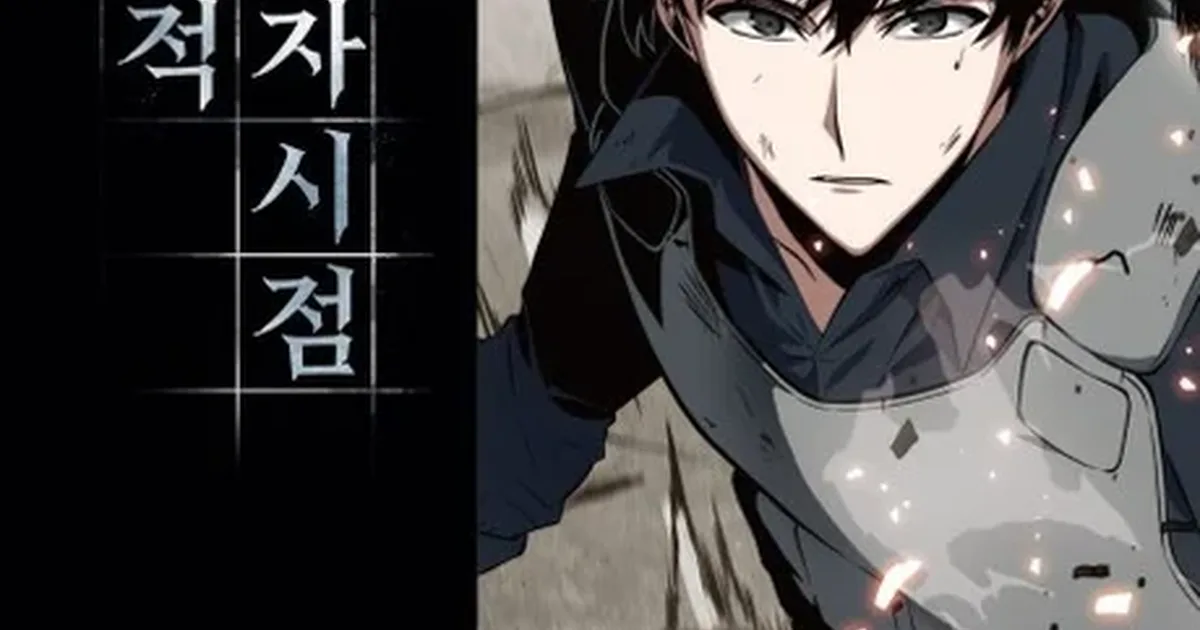
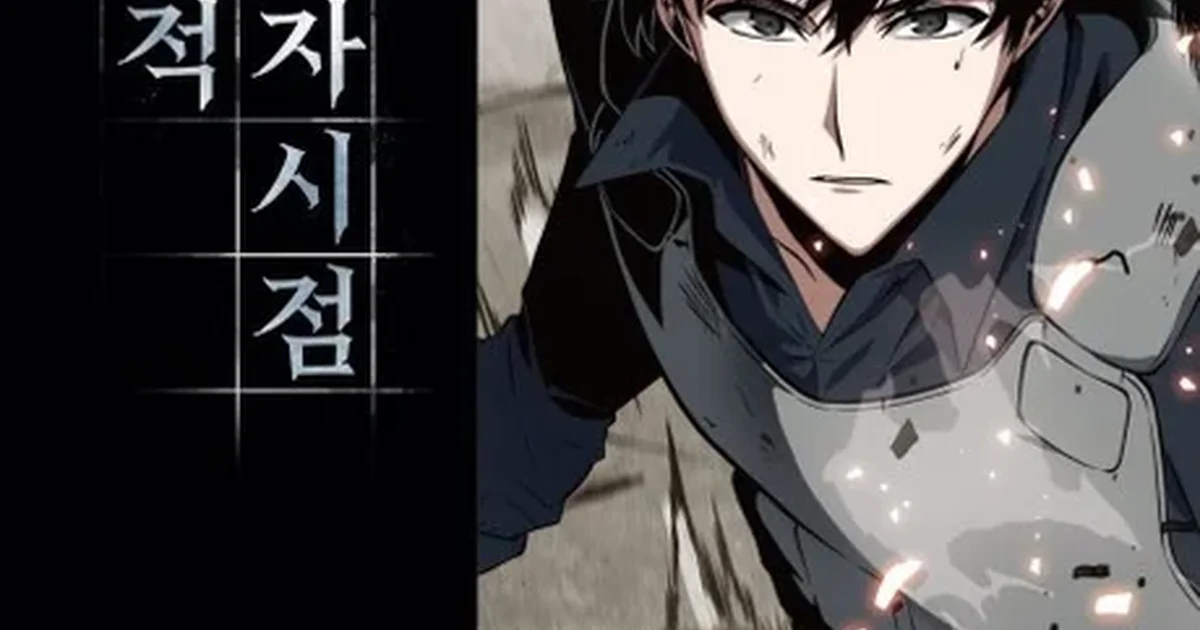
Kim Dokja is the protagonist and the only reader. First person, deeply interior in the novel, more opaque in the manhwa. His defining quality is that he knows the outcome but can't tell anyone why without destroying the dynamic that makes the scenario survivable. Every decision he makes carries that weight.
Yoo Jonghyuk is the protagonist of the in-universe novel "Three Ways to Survive in a Ruined World." In the real world, he is an exceptional regression specialist who has survived this scenario hundreds of times across different timelines. He's not warm. He's not welcoming. But he's the most competent person in any room he enters, and his relationship with Kim Dokja is the load-bearing structure of the entire series. Pay attention to how Yoo Jonghyuk's attitude toward Dokja shifts, even when neither of them acknowledges it directly.
Lee Jihye appears in the early scenarios as an aggressive, high-confidence fighter who latches onto Yoo Jonghyuk as a mentor figure. She seems like a secondary character. She isn't. Her arc across the full series involves more development than most series give their leads.
Han Sooyoung enters later and immediately complicates everything. She's a writer, and the series makes that meaningful rather than decorative. Her relationship to the in-universe novel and to Kim Dokja's knowledge of it creates the series' most interesting structural tension after the first act.
The constellations aren't exactly characters, but they function as a Greek chorus with real power in the narrative. They observe and bet on the scenarios happening below them. Several become recurring presences. Paying attention to which constellations consistently appear, and which ones Dokja tries to attract or avoid, pays off substantially in the middle and late arcs.
For completed series that match ORV's investment in secondary character arcs:
Best Completed Manhwa →
The major scenarios: arc-by-arc breakdown
ORV is structured around scenarios: narrative events drawn from the in-universe novel's chapters that play out in the real world. Understanding this structure early makes the reading experience significantly less confusing.
Scenario 1 (novel chapters 1-20 approx.): The subway. This is the prologue. Kim Dokja is on a subway when the system announcements begin. It's compact and fast. The setup is simple: scenarios happen, participants must complete them, failure means death. Dokja already knows what's coming and spends the opening chapters doing something more interesting than panic: positioning.
Scenario 2-4 (approx. chapters 20-80): The initial consolidation. Different survivor groups form. The protagonist's knowledge advantage is most visible here because the scenarios are ones he's read and can predict. This is where the manhwa and novel diverge most in pacing. The manhwa handles the large cast introductions through art; the novel handles them through Dokja's internal assessment of each person's statistical weight in the original story.
Mid-act (approx. chapters 80-200): Scale expansion. The scenarios move beyond the immediate survival setting. Other regression specialists appear. Dokja's knowledge becomes less reliable as his own interventions change the timeline he read. The constellations become more active. This is where most readers who finish the series report genuinely becoming invested, as opposed to impressed.
The later arcs (chapters 200-400): The scenarios become large-scale events. If you appreciate how ORV structures its arc escalation, Tower of God Reading Guide → covers a similarly long-form series with comparable investment in secondary character arcs across its run. New information about how the system works and why it exists changes the frame for everything that came before. The story's emotional register shifts. Characters who were introduced as functional allies become people with their own weight. Yoo Jonghyuk's backstory across his regression runs is covered here, and it recontextualizes his behavior throughout.
The finale (chapters 400-551): The novel resolves its central question about what it costs to be a reader of a story like this one. The ending is complete and intentional. It doesn't chase a sequel hook. This is unusual enough in the genre to be worth noting.
The manhwa, at its latest listed Episode 308 (June 2, 2026), has reached into the mid-act scenarios. It hasn't reached the chapters where the story's full scale becomes clear, and WEBTOON currently displays a "will return" notice. If you want to experience ORV's ending, the novel is the only path available right now.
Reading tips for Omniscient Reader's Viewpoint
Advertisement
Stay out of ORV community spaces until you're through the first major arc. The series has an active fan community that is very aware of the novel's ending and the later arc revelations. Spoilers for this series are particularly damaging because much of what makes the early chapters work is what you don't know yet.
Re-reads are worth planning for. ORV has layers that are invisible on first read. Readers who enjoy this kind of psychological density often gravitate to series in Best Manhwa Psychological Thriller →: several overlap with ORV's meta-narrative approach.
Things Kim Dokja says in chapters 1-20 have meanings you can only understand from chapter 400. Most readers report the first re-read landing harder than the first read, which is uncommon in series of this length.
Give Scenario 3 before making a call on whether you'll finish. The opening scenarios are compact and move fast. Scenario 3 is where the series' full scale starts showing and where most readers who will finish it commit. Stopping before Scenario 3 means stopping before ORV is running at full speed.
The manhwa and novel telling of the same events differ in what they show you. The manhwa makes the large cast trackable through character design. The novel gives you Kim Dokja's full internal monologue, which is the series' most distinctive quality. Both are worth experiencing. Don't assume the manhwa version of a scene you've already read in the novel (or vice versa) will be redundant.
Frequently Asked Questions
Should I read the novel or manhwa for Omniscient Reader's Viewpoint?
Either works as an entry, but they diverge significantly in coverage. The manhwa is beautifully adapted and easier to follow early on, but the novel is the only way to reach the story's conclusion. The web novel is complete at 551 chapters plus extras. The manhwa currently reaches Episode 308 (June 2, 2026) and is on a season break with WEBTOON's "will return" notice; AniList marks it RELEASING. Most readers start with the manhwa through the early scenarios, then switch to the novel when they want to continue. Where do I read Omniscient Reader's Viewpoint?
The manhwa has an official English translation on WEBTOON. The original Korean web novel is on Naver. English translations of the novel are available through fan translation projects hosted on sites like NovelUpdates, though licensing status may have changed since initial publication. How long is Omniscient Reader's Viewpoint?
The original web novel is complete at 551 chapters plus extra episodes. The manhwa adaptation currently reaches Episode 308 (June 2, 2026) and is on a season break with WEBTOON's "will return" notice; AniList marks it RELEASING. It remains significantly behind the novel in story coverage. The novel is a substantial read; most readers estimate 70-100+ hours for the full text depending on reading speed. Is Omniscient Reader's Viewpoint an isekai?
Not exactly. ORV is set in Kim Dokja's actual world (his real modern Seoul) when the plot of the in-universe web novel he was reading begins happening in reality. There's no transport to another world. The genre is closer to apocalypse fiction with system elements, though the meta-fictional layer makes it distinctly different from either standard isekai or standard system fantasy. Who wrote Omniscient Reader's Viewpoint?
The web novel was written under the pen name SingShong, which represents two authors working together. The manhwa adaptation is illustrated by Sleepy-C, the same artist behind other WEBTOON series. Is Omniscient Reader's Viewpoint completed?
The web novel is complete, ending at 551 main chapters plus extra episodes. The manhwa adaptation currently reaches Episode 308 (June 2, 2026) and is on a season break with WEBTOON's "will return" notice; AniList marks it RELEASING. If you want the complete story, you need to read the novel. The manhwa has not yet adapted the full narrative. When does Omniscient Reader's Viewpoint get good?
The opening scenario moves fast. Within the first 20-30 novel chapters (or manhwa episodes), the core dynamic (Kim Dokja knowing the plot while the cast doesn't) generates both tension and dark humor. Most readers consider the series fully engaged by Scenario 3. The tone deepens and the stakes escalate from there.
Related Reading
- Omniscient Reader's Viewpoint Review →
- Omniscient Reader's Viewpoint Full Review →
- Omniscient Reader's Viewpoint Character Guide →
- Manhwa Like ORV: 8 Picks →
- Solo Leveling Reading Guide →
- Tower of God Reading Guide →
- Blue Lock Reading Guide →
- Best Manhwa Psychological Thriller →
- Best Completed Manhwa →
- Best Manhwa to Read 2026 →